
Nonprofit Resilience Program celebrates five years, alumni reflect on lessons learned
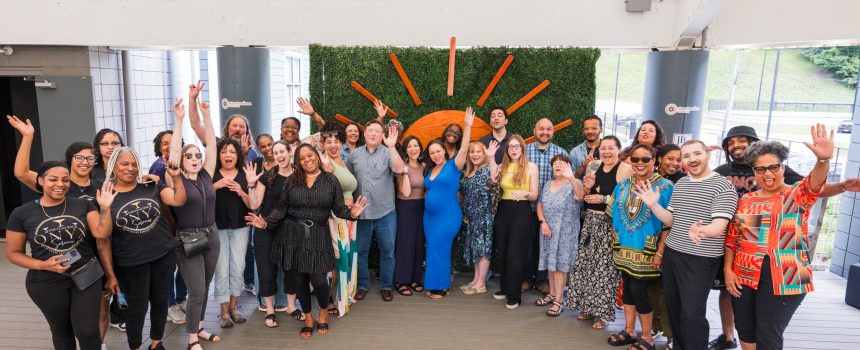
Above: Nonprofit Resilience Program alumni gather for a photo at the 2nd NRP Retreat in June 2024.
Five years ago, the Nonprofit Resilience Program (NRP) was established by The Partnership Network to strengthen the wellbeing of smaller nonprofit organizations and their leaders in the Pittsburgh region.
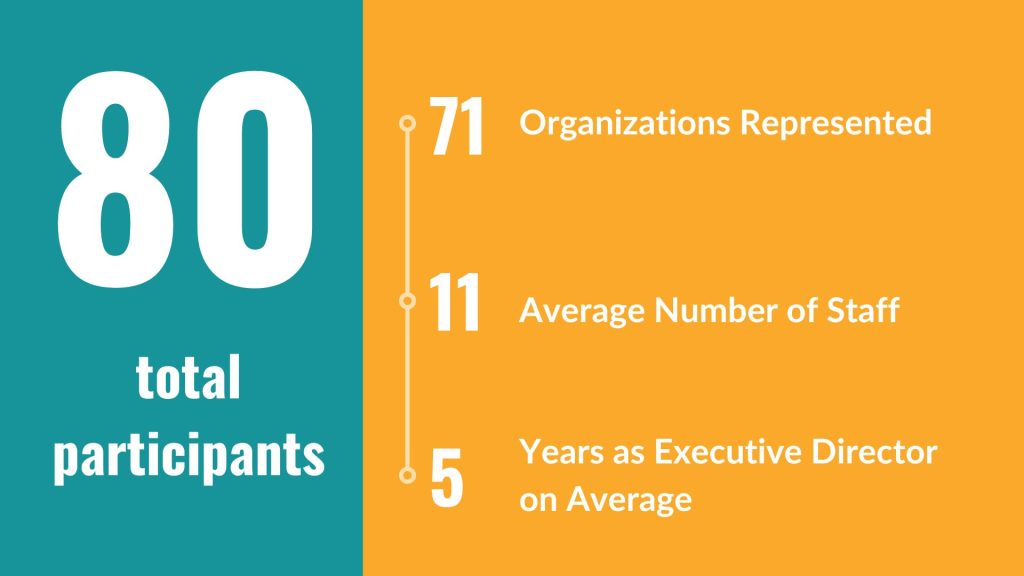
The inaugural cohort launched in September 2020 with 11 participants amidst the peak of the Covid-19 pandemic. Today, nine cohorts and 80 participants have passed through NRP, and leaders continue to benefit from the tools and values established during the three month program.
“We continue to look at how we’re working as an organization, especially as a nonprofit, and what our satisfaction is with work, home, and life,” said Denele Hughson, executive director of Grow Pittsburgh. “We focus on how we are living a life that leads to satisfaction and not just the idea of balance.”
Hughson joined the first cohort at a pivotal point in her career, as she was transitioning from Grow Pittsburgh’s Director of Farm Education to Executive Director. She entered the program focused on advancing her leadership skills, and how to strengthen her boundary setting and decision making.
NRP offers one-on-one sessions with executive coaches, which Hughson utilized to reach her goals. It was the first time she had experienced coaching at this level and said it was invaluable to her professional development. Over the life of the program, NRP has provided 120 hours of one-on-one coaching sessions to participants.
“I had to develop a plan of how to incorporate boundary setting into my leadership and staff, and set limitations on how much we’re giving to every one thing, and the knowledge that sometimes effort is based on your ability to show up and that’s okay,” Hughson said.
There are three phases to NRP; the first is centered around learning about leaders and their needs, and the following phases are molded to support the individual. Nina Barbuto, executive director of Assemble and a participant in the second cohort, said the structure of the program promotes “intentional care” and “helps build support for folks who take their accountability to the community seriously.”

“There is a lot of perceived power, and a lot of the time, nonprofit leaders might feel powerless to all of the things coming at us [and our] organizations, as well as the community,” Barbuto said. “Supporting their resiliency is important because it strengthens their capacity to show up as accountable people who are learning. Resiliency is saying, ‘I don’t know’ or ‘I need help,’ versus, ‘Let me make a choice that could be harmful.’”
Also in the inaugural cohort was Andrea Matthews. She returned to Pittsburgh in 2019 and re-entered the nonprofit landscape as the Executive Director of The Brashear Association. After being gone a number of years, she said it was “extremely helpful to have an opportunity to sit with other nonprofit leaders who were very steeped in [the sector].”
During the program, Matthew’s executive coach surveyed the staff and board members of The Brashear Association about her leadership skills and the feedback was “eye opening.”
“I learned things that I still carry with me to this day, like the need to slow down and bring accountability to the table,” Matthews said. “My staff would say, ‘You’re so busy,” but what that meant was that they didn’t feel seen or heard. So I started having one-on-one meetings with them, and they can request [a meeting] whenever they want.”
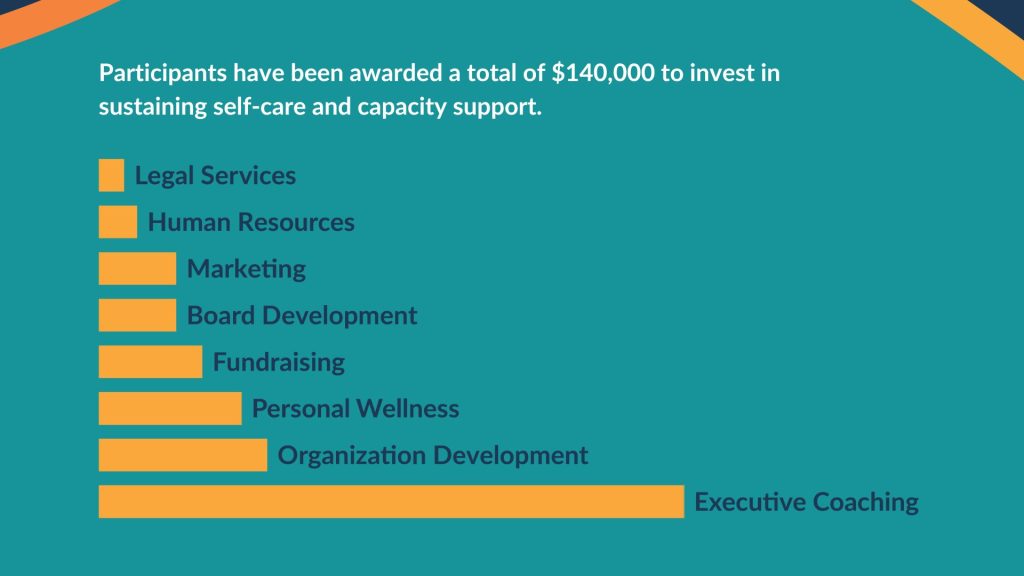
When participants complete NRP, they are awarded $2,000 to invest in sustaining self-care and capacity support. Since 2020, a total of $140,000 has been awarded with the majority of leaders choosing to continue executive coaching.
Hughson said she believes that without NRP, there are professional connections that she wouldn’t have made otherwise, including her executive coach.
“This cohort was about figuring out what I needed to be an effective and holistic leader, and just being open to learning more tools and systems that can be brought back and assimilated to my staff and beyond,” Hughson said.
The program has continued to foster a community of care with the creation of the NRP Alumni Network in 2023. This initiative is driven by alumni and designed to meet the specific needs and preferences of participants, ensuring that the community and its offerings are aligned with the interests and challenges faced by its members.
Two new additions to programming include Community Pop-ups and Relax + Learn Workshops.
The Community Pop-ups aim to connect alumni, team members, and the community at casual, informal events where participants are invited to share what’s on their hearts and minds. In person and outdoors, weather permitting, the pop-ups are an opportunity for alumni to highlight the work they’re doing and get creative with how to promote self-care and well-being.
The Relax + Learn Workshops will be offered in a hybrid format and alumni will lead conversations on important topics that resonate with nonprofit leaders, provide valuable resources, and explore new partnerships and collaborations.
To learn more about upcoming programming or support NRP, email jamie@newsunrising.org


