NSR supported projects harness the power of culture, creating space for healing and connection
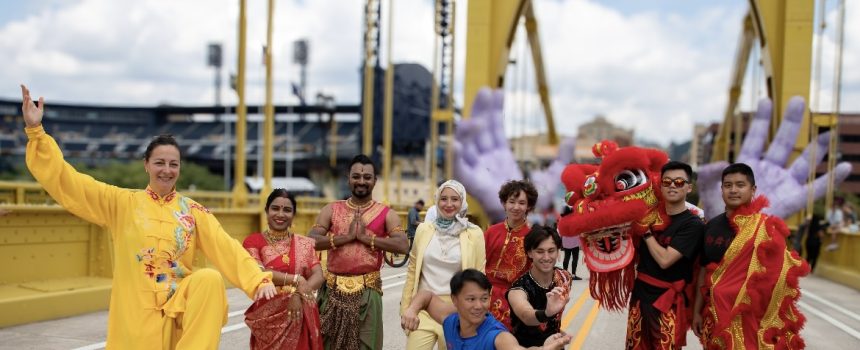
Above: Participants of Building Bridges Day 2025 pose for a photo on the Roberto Clemente Bridge with founder Ebtehal Badawi (center). Photo courtesy of Ebtehal Badawi.
For the last several years on a Saturday in August, the Roberto Clemente Bridge has closed down to host hundreds of people for Building Bridges Day, an event that promotes unity and connection among all individuals, regardless of their background or differences.
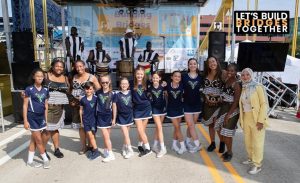
The day includes a variety of activities that celebrate global cultures through mural painting, performances, community dialogue, and live music. This year, founder Ebtehal Bawadi highlighted a collaborative dance by an African band and an Irish band as a standout moment.
“The Irish band consists of girls in their mid-to-late teens, and members of the African band are adults, so it was beautiful to see not only the cross between these two cultures, but the younger and older generations being brought together,” Bawadi said.
Though this event provides a space for thoughtful dialogue about culture, identity, and values, Bawadi said the origin of Building Bridges Day began six years ago in response to a racist comment made by one of her son’s teammates from a local hockey team, for which they eventually apologized. Shortly after that, she heard on the news that a young Syrian refugee was beaten up at school. As a mother, it was painful to see her son—and other children—experience hate on such a level. At the same time, she found herself wondering what those other children must have gone through to act that way.
“I created this nonprofit with the intention of bringing people together to heal and connect with people from different backgrounds while celebrating and sharing their culture. This year felt like the most important time to do that,” Bawadi said. “It was like a statement that we are a community, we can come together and celebrate our differences. We don’t need to hide.”
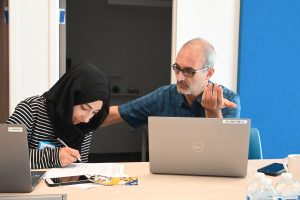
The importance of culture, connection, and community care also fuels Exploring Identity: Teen Voices, a project of Sharing Our Story. Founder Sally Rafson, an educator and anthropologist, said with the resurgence of hate speech and biases, especially anti-semitism, racism, and xenophobia, teens are the most affected by these forms of hate.
“We use digital storytelling to build bridges and provide education to the community about people who are often marginalized and aren’t always asked about their stories,” Rafson said.
The project primarily engages refugees and immigrants, as well as Jewish and African American teens. Over the course of weekly writing workshops, this diverse group has formed meaningful bonds by sharing and learning from one another’s stories. On November 2, their work culminated during a community celebration in Levinson Hall at The Squirrel Hill Jewish Community Center of Pittsburgh. A second celebration is planned for January 31 at St. Paul’s Episcopal Church in Mount Lebanon.
“[Teens] aren’t often heard, but they are at a point in their lives where they’re trying to figure out what their identity is, and many of them have conflicting identities. What is the culture they identify with and how does that fit into the American tapestry?” Rafson said.
While Exploring Identity: Teen Voices amplifies youths’ experience through storytelling, Artist Talk Mental Health works with adult and teen artists to learn and grow their professional artistry while developing skills and acquiring tools to maintain and take care of their mental health.
Founded by Sydney Davis during the early days of the COVID-19 pandemic, Artist Talk was created to give Black and Brown artists a platform to affirm and advocate for their own value and themselves. Davis recalled people wanting to support the art community by donating supplies, but through conversations with fellow artists, she knew what they “really needed was housing, food, and mental health support.”
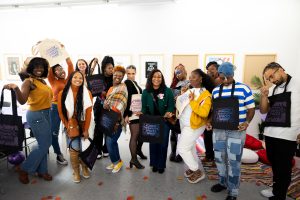
She began hosting small, supportive gatherings that averaged around five artists and soon blossomed into full events combining art showcases with open, therapist-led conversations. The first event was held in the South Side and 20 tickets had been reserved in advance. As Davis was prepping for the evening, she went into the bathroom to do her makeup before people started to arrive. When she exited, there were close to 70 people in attendance.
“I had to go back into the bathroom because I started tearing up,” Davis said. “When we put our ideas out here and host showcases, you never really know who is going to show up, so it was really beautiful to see a lot of people in the room on a [weekend] trying to do better and actively seeking support for their mental health.”
That event helped Artist Talk fill other gaps and needs for the Black community, leading them to create the series Black Therapy 101, which is a panel discussion with therapists designed to make conversations about mental health feel safe, accessible, and rooted in Black experiences.
“This panel series was created from direct feedback from our event and showcase when we were having a therapist lead community discussions about what was coming up for artists in the community like imposter syndrome, burn out, and help navigating health care systems,” Davis said.
Each event invites healers and mental health practitioners to engage directly with attendees, offering both education and hands-on wellness practices that participants can immediately apply in their daily lives.
Now entering its fourth year, Artist Talk also offers three other programs: the Mental Health Showcase, Therapeutic Spaces cohort program, and the newly created alumni network called Therapeutic Roots and a Dose of healing community workshops. On November 22, Davis will be celebrating the anniversary of Artist Talk Mental Health by hosting Black Therapy 101 at Artist Image Resource (AIR) on the Northside, including breakout sessions with each therapist, which something new for the event.
These initiatives — Building Bridges Day, Exploring Identity: Teen Voices, and Artist Talk Mental Health — are rooted in lived experience and united by a powerful idea: that healing begins with connection and the diverse contexts, values and identities that shape us should be celebrated as vital parts of our shared humanity. At a time where many of these values and ideas are being challenged, New Sun Rising is proud to support this important work by providing financial management, capacity building, and strategic guidance.